
The Budgerigar Council of South Australia is pleased to share its guide to budgies as pets. They are also referred to by the names budgerigars and parakeets. Pet owners across the globe are in love with these tiny, chirpy buds. The budgie is an adorable bird that has earned itself a reputation as lovable, intelligent and friendly. It ranks just behind the adored cat and dog.
First, you must understand the needs and temperament of this beautiful bird. This guide will provide you with the knowledge you require to live an enjoyable and healthy lifestyle for you and your feathered friend.
A Social Butterfly with a Tiny Body
Budgies are social animals who thrive in social interaction. In the wild, budgies are in large groups of budgies who are constantly chirping, engaging with each other. Although a single budgie may have a strong bond with its human, particularly with lots of affection it is best to have a feathered companion. If you’re not in a position to take care of two birds, spend some quality time with only your single budgie.
Chatterboxes that are designed to be a Flair to Mimicry
The ability of a pet budgie to mimic sounds is one of the most appealing characteristics. With a bit of training and persistence Budgies will develop the ability to mimic sounds and speak phrases. They’ll also add a fresh dimension of fun to their whistles and chirps. The vocabulary of budgies could differ. Some budgies turn into chatterboxes while others are content to whistle. However well-spoken they are, their vocalizations can bring a huge smile to anyone’s face.
Rainbow on Wings
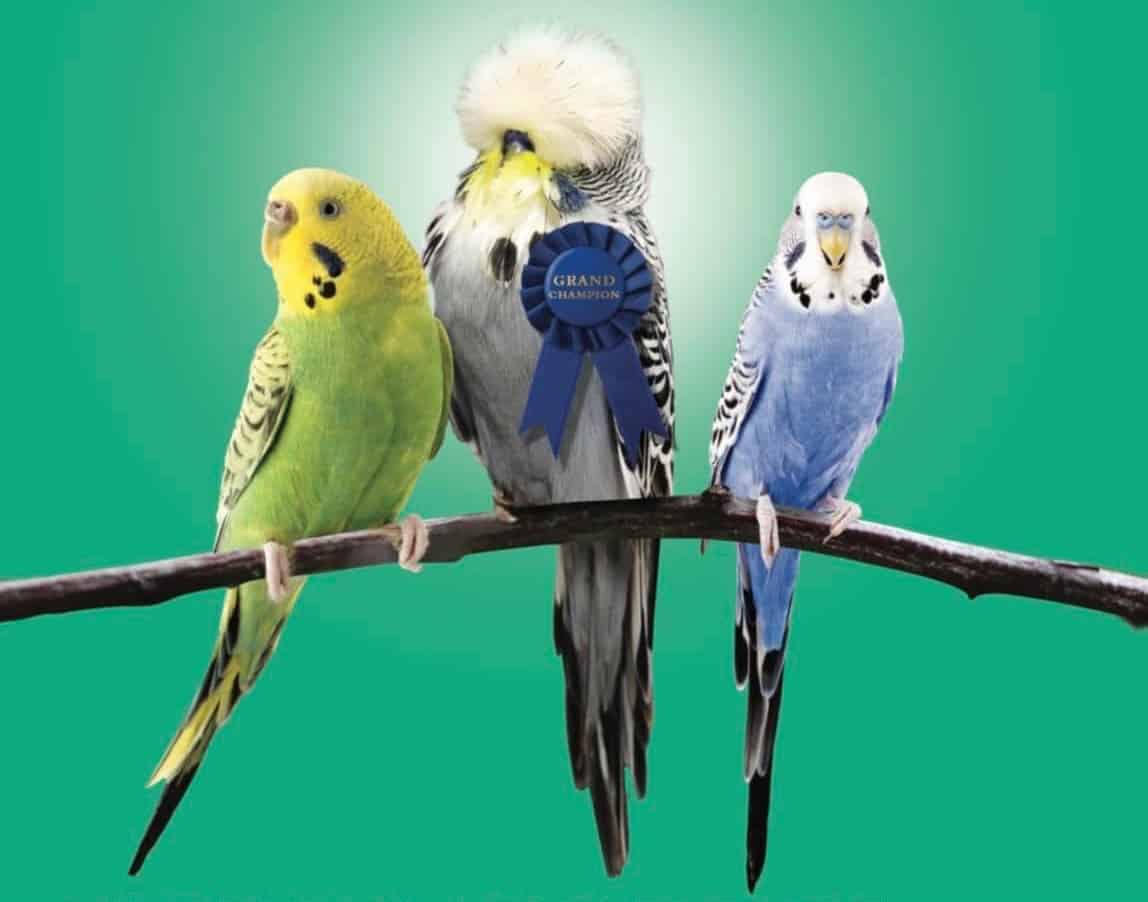
Budgie birds are available in a variety of shades. From the classic blend of light blue and yellow to vibrant shades of green, violet, and white. Breeders have created a myriad of mutations over the years, so you’re sure to find a feathered friend which is in line with your personal style. Color variation can be a sign of age and sex in birds, so they are an excellent way to start conversations.
Living Large in Small Spaces
Although budgies are small, they need plenty of room to roam, fly, and climb. The cage’s minimum size should be at a minimum 20 inches long and 12 inches deep and 18 inches in height. The bigger the cage, the more spacious. Give perches of different levels and textures to keep your pet interested, and rotate their toys frequently to avoid boredom. Natural sunlight is good however, make sure that the cage is not placed in the direct light for long periods of time.
A Budgie-approved Diet
A healthy budgie bird diet consists primarily of a high-quality pelleted food formulated for small parrots. It provides them with necessary nutrients they require to flourish. Fresh fruits and vegetables like chopped carrots (seeds removed) and leafy greens, or apples can be added to the pellet diet. Cuttlebones play a vital role in maintaining their beaks and providing the animals with minerals. You should ensure that they have fresh, clean water.
Forming a bond with your feathered friend
To control your bird You will require patience and a gentle touch. Begin by slowly walking towards the cage and speaking gently to your bird. To build trust, give treats like millet spray by putting it on the bars of the cage. Once your pet feels at ease with you, you are able to try entering the cage and let them rest on your fingers. Be patient, but not overly aggressive. This process could be weeks or even days.
Commitment for Life
With the right care they can last from about 10-12 years. Consider your habits and commitment to the long-term before bringing one into your home. Are you able to offer daily interaction, a stimulating environment and an orderly home? A budgie can be a delightful companion that will enrich your life. It will bring you happiness with its playful chirps and playful antics.
The Budgerigar Council of South Australia promotes responsible pet ownership. If you have any concerns or questions about taking care of your pet, don’t hesitate to consult an avian veterinarian for professional advice.