
These blocks aren’t just a functional element. They have evolved into the supreme of outdoor design. These versatile elements, which seamlessly blend aesthetics and function, have become essential features of contemporary landscaping design. This article explores walls for retaining as well as their numerous benefits, showing how they can be utilized to change outdoor spaces.
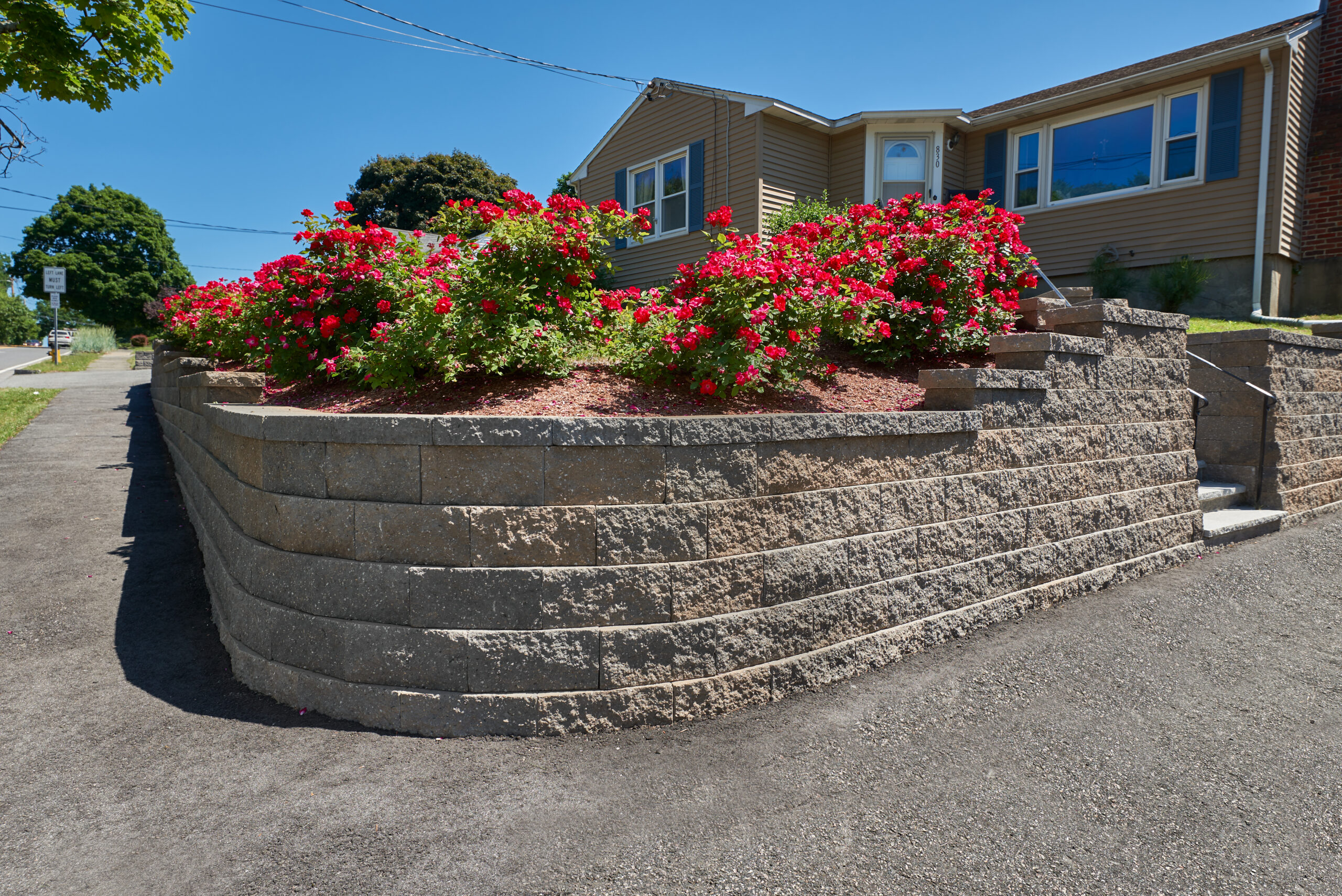
The retaining wall blocks redefine traditional hardscape elements. It comes in a wide range of sizes, colors, and shapes. This allows property owners to express their own unique aesthetic ideas. The design possibilities are endless, no matter if they’re made of the stunning rawness of natural stone or concrete. Landscape architects and designers use them to create captivating and cohesive outdoor spaces that show the uniqueness of the surrounding surroundings.
Guardians of Stability: Beneath Surface Allure
Beyond their aesthetic appeal Retaining wall blocks offer an array of benefits. As staunch protectors against soil erosion, they perform the role of custodians, preserving the beauty of natural landscapes, and protecting outdoor spaces from destructive water runoff. These blocks give stability to uneven or sloped terrains. They transform irregular landscapes into flat sanctuaries suitable for a tranquil outdoor environment and lush gardens.
If you’re a homeowner looking to improve their landscaping without spending a fortune Retaining wall blocks are regarded as a wise and economical choice. They’re an affordable option because of their easy installation and low maintenance. They’re not just visually appealing but also provide a durable and stable wall that doesn’t compromise on aesthetics. For more information, click Concrete Retaining Wall Blocks
Versatile Sculptors: Defining Outdoor Living Areas
Wall blocks that are retained by the wall are more than just functional, evolving into sculptors that define and delineate outdoor living spaces. Homeowners can design zones for various activities, for example, eating outside, relaxing or gardening, through the strategic integration of walls that retain. These blocks aren’t only useful, but they also function as decorative components. They can be used to create privacy barriers, or even highlight particular landscape features like sculpture gardens, water structures or even water fountains.
Precast concrete landscaping blocks for retaining walls are distinguished by their high-performance stacking capacities. They can support three courses in height before the need for geogrid reinforcements to help strengthen the soil that lies behind them. As walls grow in size, larger sizes require greater endurance and stability. The blocks, carefully designed to ensure seamless interlocking and structural stability are a good foundation for landscaping projects. Geo-grid reinforcements have been incorporated to ensure longevity and resilience. They protect the wall against soil pressures.
Choose the Right Block to Create the Right Ambiance
The choice of retaining wall blocks requires a careful curation process, considering factors such as the size, shape as well as color, texture, and in harmony with the outdoor environment. When selecting blocks for retaining walls, practical aspects like the capacity of soil retention and size are considered. This carefully considered selection is not only structural stability but also aesthetic harmony adding visual harmony to the overall design.
Final Symphony of Resilience
In summation, retaining wall blocks emerge as transformative elements in landscape design, contributing to the sustainability and resilience of landscaping practices. Due to their limitless design options, their ability to stabilize and protect, as well as the ability to define spaces for living they are transformed into silent saboteurs that alter outdoor spaces. They weave a tale of harmony, timeless and beauty throughout the landscape. Whether it’s for their economic style or for their functional value, retaining wall block artisans are shaping the symphony of nature’s grand outdoors.