
Bottom-up Processing refers to the processing that processes stimuli from the bottom up. The process begins with tiny details, and progresses to more complex concepts. This is different from top-down, which involves forming an overall impression before searching for evidence that supports the notion. When we look at a street, an urban area can give an impression that the area is chaotic noisy and full of people. To confirm this idea, they can seek out specific indications of this, for instance people rushing through crowds or traffic noise that is coming from nearby vehicles.
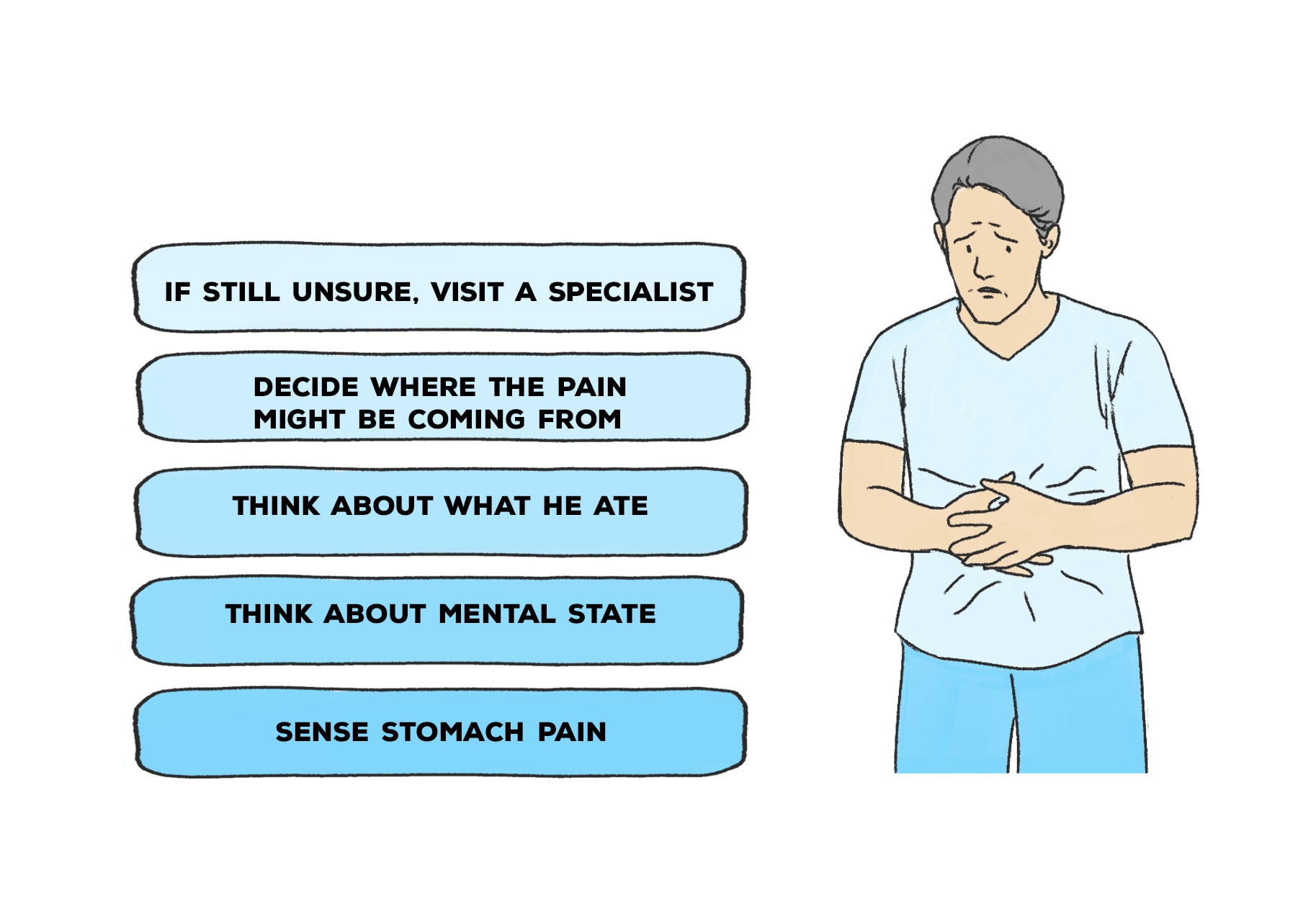
Since bottom-up processing is more data-driven than analytical, it has been studied extensively for its connection to specific cognitive tasks like perception and memory. However, it also plays a significant role in other areas like decision-making and creative pursuits such as design or art. Bottom-up Processing can be employed wisely and effectively to solve more difficult problems and gain a better understanding of these. Thus, despite its somewhat negative connotations in academic circles bottom-up processes are extremely helpful in understanding our surroundings and our internal workings too.
The brain’s complex functions are at the heart of all our actions and thoughts. The brain’s complex processes play an significant roles in everything from memory and intelligence to mood and behavior. One particularly important mechanism that has been observed to influence the way that the brain functions is called bottom-up processing. It describes how information is processed at the level of individual neurons or nerve cells and then via interconnected neural pathways that ultimately affect higher cognitive functions such as attention and perception. It is not just the case that research has proven that this process can have dramatic effects on phenomena like memory and learning, it might also hold great potential for treatment of disorders that range from schizophrenia to Alzheimer’s disease. So, by learning more about bottom-up processing and the mechanisms behind it can help us to unravel some of the mysteries underlying brain function, paving the way for the development of powerful new tools in neuroscience and healthcare.
Bottom-up processing is the way our brain process information. Top-down processing focuses more on integrating prior knowledge and expectations into learning. Bottom-up processing relies on the input of raw data. Bottom-up processes can be beneficial to any learner. It focuses on individual elements of learning, beginning with the basics of vocabulary and sound to more complicated concepts and ideas.
Bottom-up processing provides one advantage it allows us to analyze each piece information as it is brought in, and allow us to take a step back. This helps us stay engaged with what we’re learning and can help us be more eager to acquire new knowledge or improve existing ones or even recognize mistakes or areas for improvement. To better comprehend the details, we can identify how they are connected through logic chains and networks. Through engaging in bottom-up processing, we can improve our learning and more effective communicators overall.
For more information, click Practicalpie