
A garden that’s productive rarely begin with expensive equipment or an aesthetically pleasing home. Most often, it begins by planting a few seeds, paying attention to what happens and making better choices for the coming season.
The Sproutstead’s informational resource is founded on a practical method. It was created to help people plant food, enhance soil fertility, preserve harvests and learn useful techniques for self-sufficiency and not get bogged down in technical language.
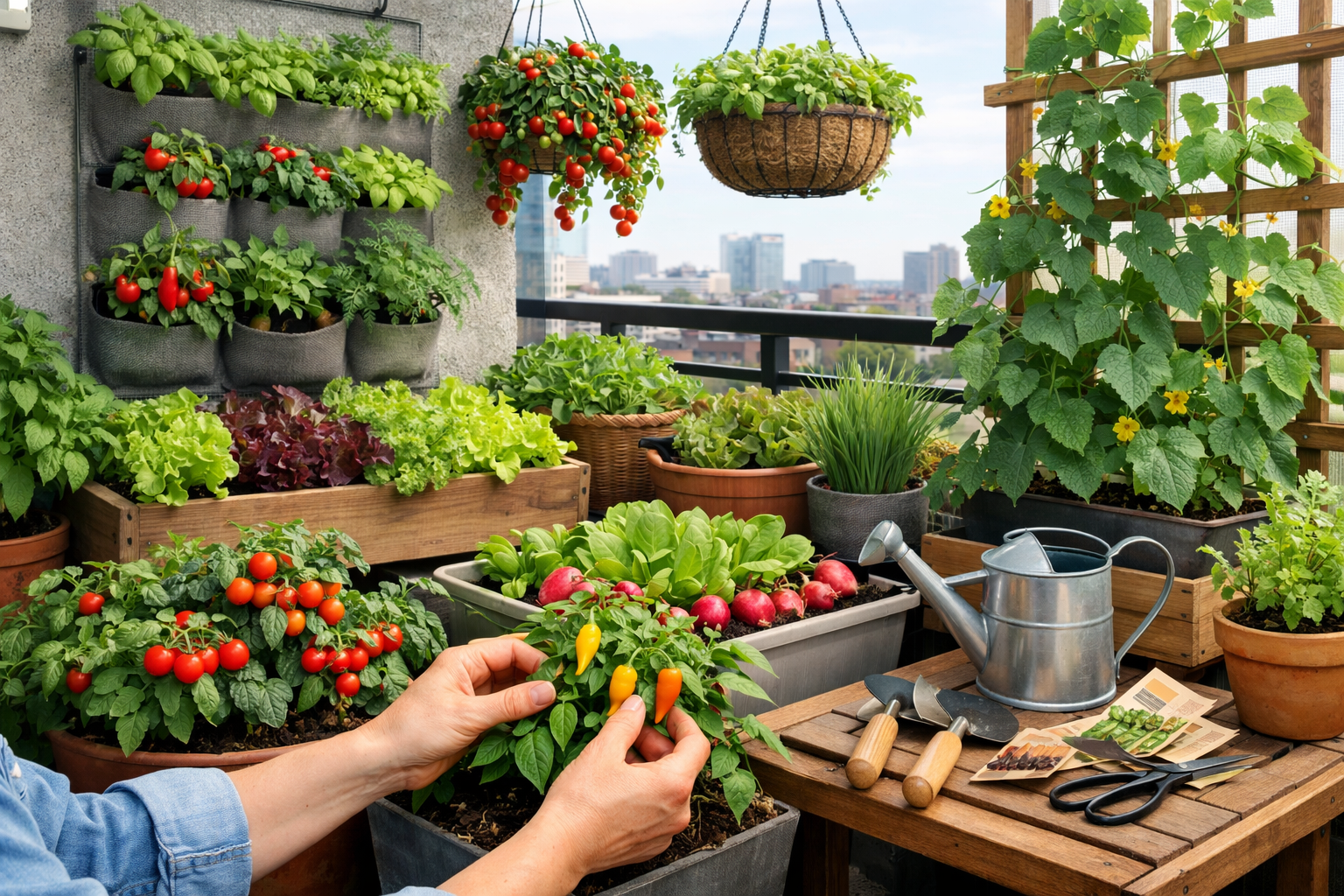
Your Garden is Unique and has its own Set of Conditions
The fact that gardens can’t be interchangeable is one of the reasons that gardening recommendations can be frustrating. The same tomato variety that is planted in a raised beds with sunlight in one region could perform differently than the same variety of tomato grown in the dense, rocky soil in another region.
Successful gardening and homesteading therefore involves more than following instructions. Understanding the conditions under which you live is essential to gardening.
The Sproutstead’s focus is on explaining these factors so that readers can modify gardening tips for their home’s needs instead of trying to replicate an ideal garden from someone else’s.
Under the surface, vegetable gardening starts
Naturally people pay more focus on plants they can see. However, the effectiveness of any gardening endeavor is heavily determined by underground.
Good soil needs an appropriate balance between drainage, moisture retention, nutrients, and organic matter. Composting can enhance soil with time, and mulching may save water and slow the development of the weeds. By focusing on these essentials, you can improve your vegetable gardening experience. This is because better conditions for growth will provide your plants a solid base.
It is also essential to plan. Plant spacing, crop timing, companion planting, and time of year can all determine the efficiency of a gardener’s use of the space available.
Tomatoes can be a great lesson in Paying Attention
If you ask 10 gardeners about tomatoes, and you’ll likely hear ten different stories. These are among the most popular garden crops, and they show how different growing conditions can be a good fit.
Anyone interested in growing tomatoes must look beyond the fertiliser schedules and planting depths. Tomatoes are in need of adequate sunlight, regular watering, suitable soil and appropriate spacing when they grow. The selection of varieties is also important because the growing conditions, space available and the intended use can determine which variety is the best.
It might not be feasible to solve the problem by adding more fertiliser. The cause could be due to excessive nitrogen, high temperatures, inadequate sunlight or issues with pollination. It is best to monitor the entire plant instead of treating every symptom the same manner.
A Harvest Is Just Part of the Story
Growing twenty pounds of vegetables feels less successful when half of them spoil before they’re eaten. A smart home-grown gardening system takes into account what happens after harvest too.
Canning freezing, dehydrating, freezing sharing produce that is surplus and saving seeds can allow families to get the most out of their gardens. Chickens in the backyard, composting, fruit trees and herb gardens can all be added to the family system.
It is not necessary to adopt all of the homesteading methods at once. It’s essential to progress on homesteading whether it’s growing lettuce, building a compost pile or preserving the first batch of tomatoes.
Knowledge is Power: More Effective Gardeners are made by utilizing practical information
The most effective gardening education isn’t guaranteed to yield perfect plants. Weather, pests and seed failures may vary from region to region.
The Sproutstead approaches those realities as a way to learn rather than a nebulous exception. Through connecting subjects such as soil, vegetables, seeds starting, pests, preservation backyard chickens, and self-sufficiency, readers gradually comprehend not only what they should do with their garden, but also why it is successful.
It is recommended to construct your garden productively in just like how plants develop: seasonally, slowly and starting from a solid foundation.